Running an efficient warehouse isn’t just about having a massive building; it’s about making the absolute most of the space you already have. When stock piles up, picking orders slows down, tracking inventory becomes a nightmare, and your team wastes hours just searching for items.
You don’t necessarily need a bigger facility to solve this. Instead, rethinking your floor plan and choosing the right structural supports can reveal massive amounts of hidden capacity. Here is a practical approach to cleaning up your warehouse layout, accelerating your workflows, and protecting your inventory.
Think Up, Not Out
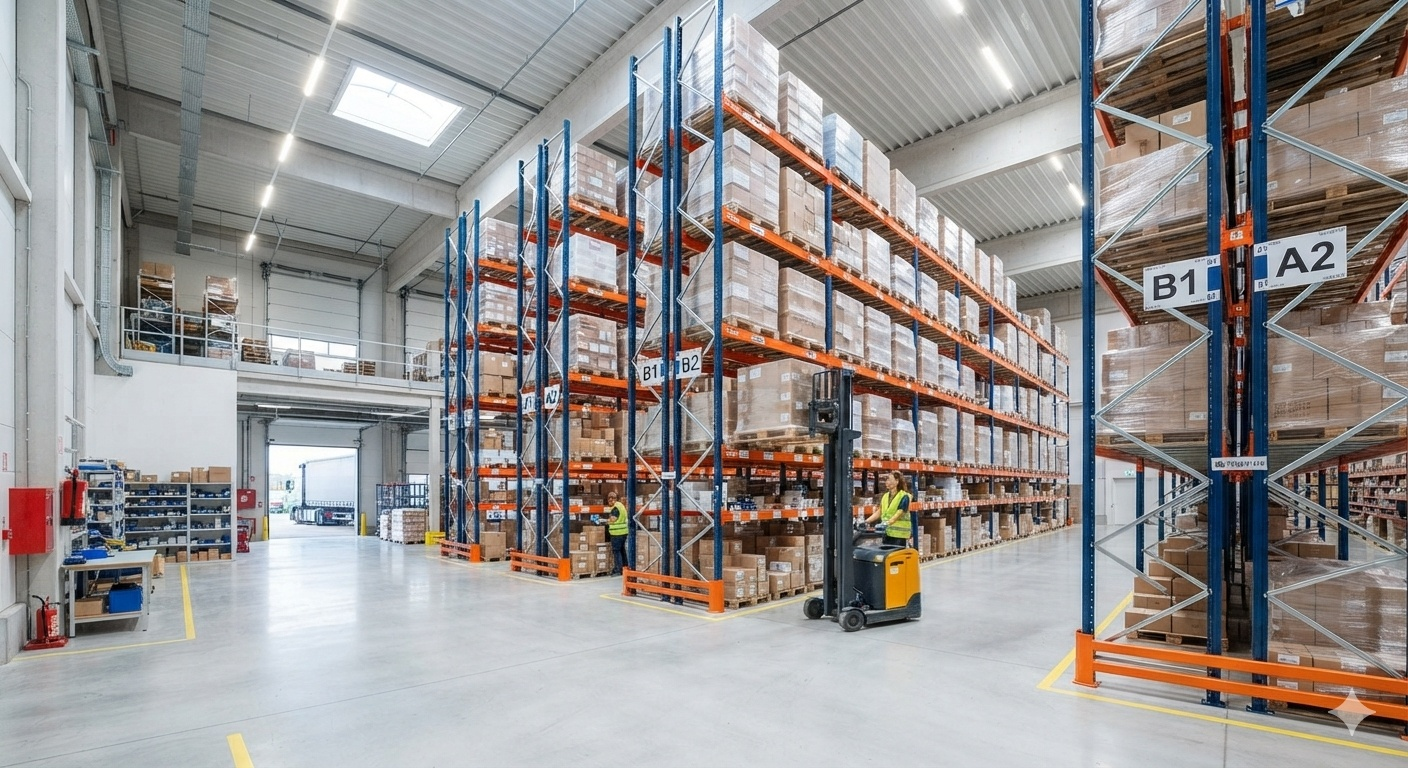
When floor space runs low, look up. The air space between the top of your current inventory stacks and your ceiling is prime real estate that often goes completely unused.
Installing heavy-duty industrial framing lets you tier bulk goods safely and vertically. By establishing clear vertical rows, you create a predictable environment where forklifts can maneuver without navigating cluttered aisles. If you handle perishable items or goods with strict expiration dates, setting up these rows to support a first-in, first-out flow ensures older stock never gets buried or forgotten at the back of a dark shelf.
Create Ergonomic Picking Zones
Not everything arrives or leaves on a giant wooden pallet. For individual boxes, spare parts, or loose merchandise, your floor staff needs quick, tactile access without relying on heavy machinery.
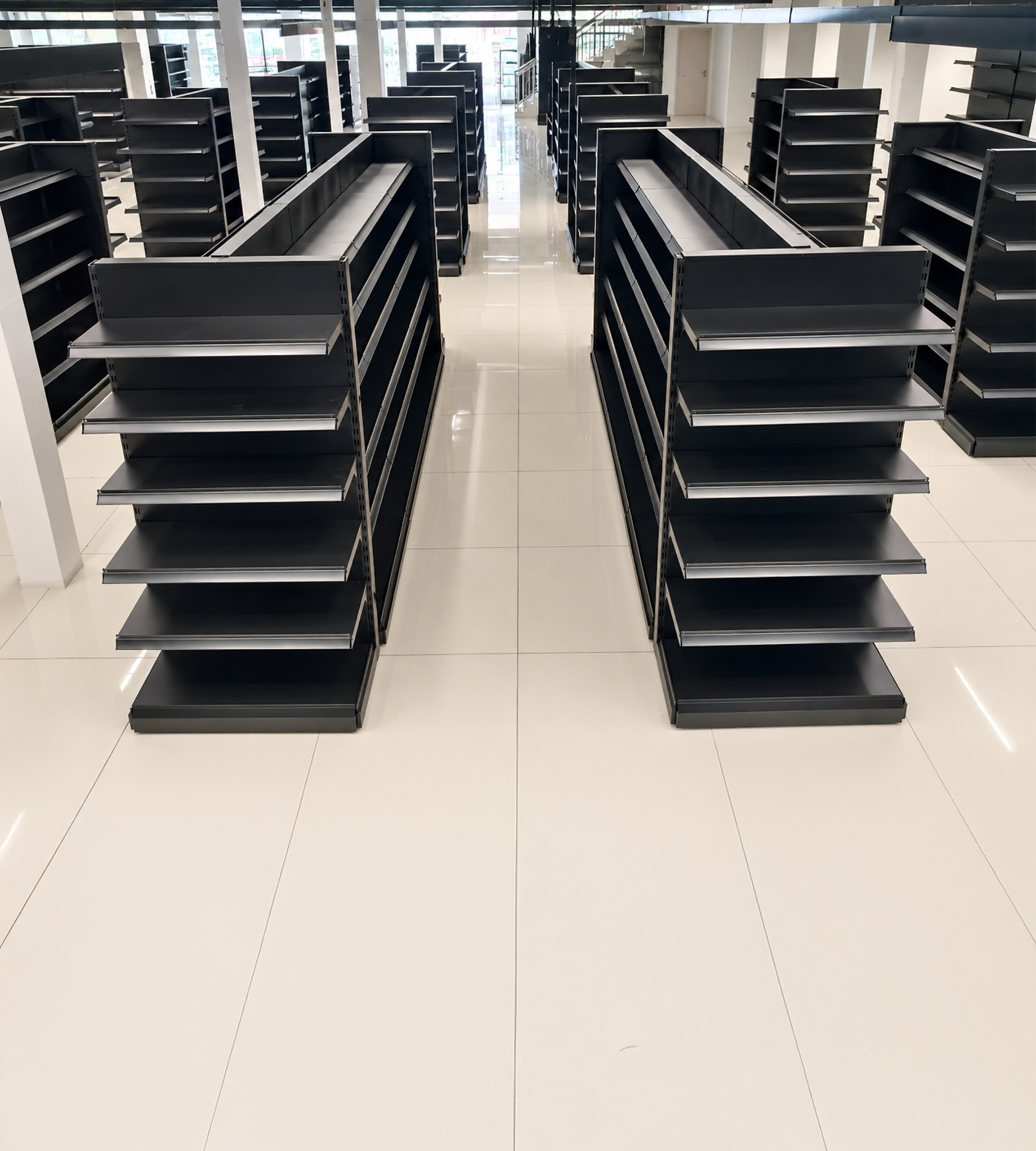
Dedicated, chest-high shelving units are perfect for manual handling. To supercharge your picking speed:
- Sort by demand: Keep your most popular items at waist height so workers don't have to bend down or stretch up constantly.
- Use clear bins: Group loose components into labeled bins to stop people from digging through mismatched boxes.
- Keep paths wide: Ensure foot-traffic lanes are entirely clear of stray packing materials to prevent accidents.
Match Your Hardware to Your Inventory Profile
Using standard flat shelving for awkwardly shaped products is a recipe for damaged goods and chaotic aisles. Your storage infrastructure must match the physical shape of what you sell.
Setup StyleIdeal ForMajor AdvantagePallet FramingHeavy crates, bulk itemsHigh weight capacity, forklift-friendlyCantilever ArmsPipes, timber, long metal rodsOpen-front design with no vertical poles blocking long itemsAdjustable AnglesLight parts, changing inventoryHighly modular, easy to unbolt and reconfigure
Smart Management for Apparel and Fabrics
Garments and textiles present unique logistical challenges. Folding them into deep boxes causes wrinkles, ruins fabrics, and turns inventory counts into a massive headache.
For clothing items, hanging racks on heavy-duty wheels allow your team to transport hundreds of garments across the floor effortlessly. This keeps products pristine and ready for shipping without requiring steaming or ironing.
If you store heavy fabric rolls or raw textiles, avoid stacking them on top of each other, which can crush the material cores. Horizontal pipe systems allow staff to unroll and measure specific lengths of fabric seamlessly right from the rack, keeping the warehouse floor clean and free of unraveled clutter.
Three Ground Rules for Daily Efficiency
- The Proximity Rule: Group your fastest-moving items right next to the packing and shipping bays to minimize unnecessary walking.
- Clear Alphanumeric Tagging: Every single aisle, bay, and individual shelf tier should have a highly visible, easy-to-read label.
- Seasonal Adjustments: Don't let your layout freeze in time. Review your setup twice a year to shift incoming seasonal goods into the most accessible zones.
Building an organized warehouse requires balancing safety with structural durability. If you are ready to map out a smarter layout or need durable, custom-engineered racking for your business, consult with layout specialists like Vera Storage & Display Solutions to maximize your facility's potential.